
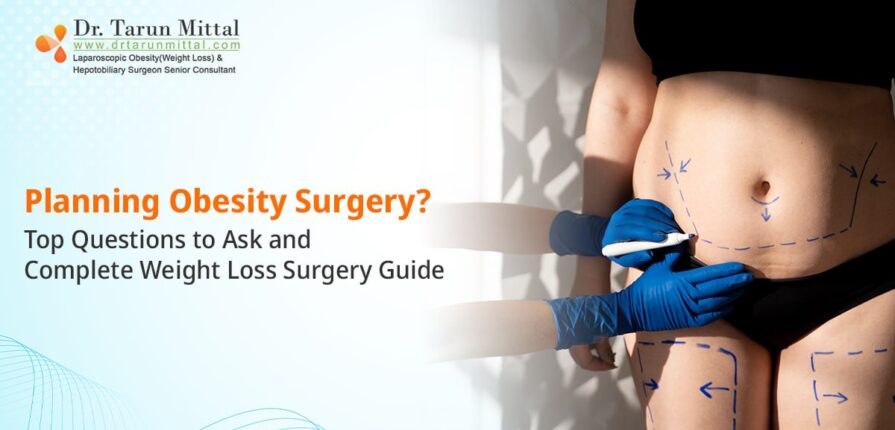
The decision to undergo surgery for obesity isn’t only a medical choice. For us, it’s a very personal process that requires confidence, clarity and a long-term commitment. A lot of patients visit us after struggling with diets, exercises and medicines with only some results. At this point, having the right information can make the difference. With the guidance of Dr Tarun Mittal, who is also known as the top Obesity surgeon in Delhi, patients can understand the importance of obesity surgery and proceed confidently rather than in trepidation.
This guide is based on our experiences being in close contact with our patients who want permanent weight loss and improved health, not just quick solutions.
Why Proper Planning Before Obesity Surgery Matters
Obesity surgery is an effective medical device; however, it is most effective when patients are well-informed as well as mentally ready. A well-planned approach helps you establish realistic expectations, comprehend lifestyle changes, and make sure you are not confused later on. Being proactive and asking the right questions lets you choose the best obesity surgeon and weight loss treatment that is best for you and your goals for health.
Top Questions to Ask Before Obesity Surgery
One of the biggest errors that patients commit is failing to ask the right questions. These are the top questions you should ask prior to having weight loss surgery, based on what patients would like to know. would have asked earlier.
- Do I qualify as a candidate for surgery to treat obesity?
The criteria for eligibility are determined by BMI, any health issues such as diabetes or high blood pressure, and previous weight reduction efforts. A reputable bariatric surgeon will evaluate each of these factors carefully before suggesting surgery. - What type of surgery is the best one I should have?
There isn’t a universally applicable approach. Gastric bypass, sleeve gastrectomy and other procedures perform differently. The best obesity surgeon will explain why a particular option is suitable for your body and your lifestyle. - What type of weight loss could I realistically anticipate?
Honesty is the key. Surgery is a great way to lose weight. However, the results are contingent on the long-term habit, monitoring and dedication. - What modifications do I have to make following surgery?
This covers eating habits and physical activity, as well as supplements, and regular medical review. Being aware of this beforehand prepares your mind to be successful.
Understanding the Role of the Obesity Surgeon
In our view our perspective, the role that an obese surgeon plays is much beyond just performing surgery. A competent surgeon will be your advocate throughout the entire process, starting with pre-surgery consultations to follow-up for the long-term. Patients are most comfortable when they are heard and supported, as well as clearly informed throughout the process.
Selecting a bariatric surgeon who is experienced can also lower the risk and enhance the recovery. Modern methods can be minimally invasive, which makes weight loss procedures more secure and comfortable for many patients.
What Weight Loss Surgery Really Treats
Obesity surgery is not only a concentration on weight. It can help manage obesity-related ailments like type 2 diabetes, arthritis, sleep apnea, and fatty liver disease. Patients report increased health, mobility and self-confidence within a few months following surgery.
We have observed that patients who see that obesity is a medical issue rather than a personal issue take care of their condition with less guilt plus more energy.
Life After Obesity Surgery: What Patients Should Know
Today’s recovery is much more comfortable than many people think. The majority of patients begin walking the next day and then resume normal activities within a short period of time. The most important thing to do is follow the advice of a doctor, as well as stay hydrated and attend follow-up appointments.
Success in the long run depends on regularity. Surgery can help control appetite and size of portions, but eating healthy and engaging in exercise remain vital. This is why regular consultation with your obesity surgeon is vital.
Why Asking the Right Questions Changes Outcomes
Patients who are actively involved in their treatment tend to be more successful. The best questions before undergoing the procedure helps keep your expectations in check and helps build confidence with doctors. This also helps ensure that your weight loss treatments are suited to your individual medical needs, not the general strategy.
Conclusion
Obesity surgery must feel at ease and not intimidating. When patients are properly educated and supported, their outcomes improve dramatically. When you follow the right path, surgery can be an opportunity to improve health and not just weight loss.
With the assistance of experts and clear advice provided by Dr Tarun Mittal, who is among the , patients can make informed decisions and have a clearer understanding of the path ahead. The right questions to ask, making the right choice, selecting the correct bariatric surgeon, and taking the time to commit to a long-term commitment are the essential elements of long-term results in the treatment of obesity.