
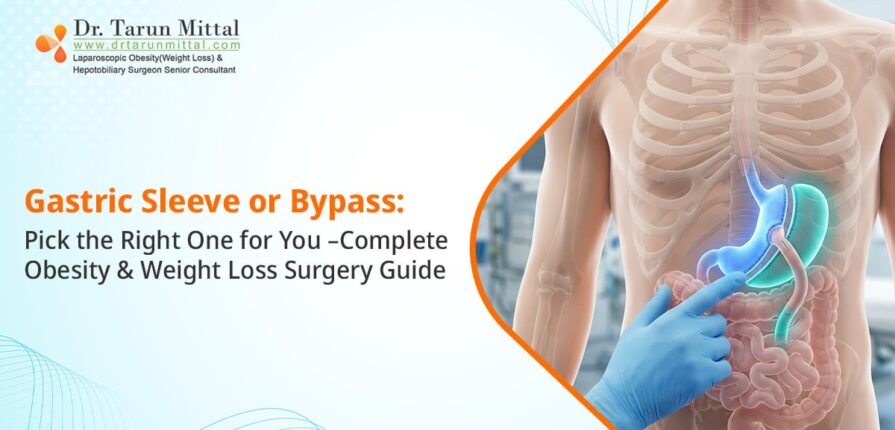
The decision to choose between gastric bypass or gastric sleeve is not a medical decision; it’s an extremely personal one. The majority of patients who come to our clinic do not come seeking a “quick fix.” They have exhausted themselves from many years of diets and emotional battles, health issues and a series of disappointments. If you’re here, most likely you’ve tried everything and are wondering if obesity surgery is the right option for you.
In our centre, headed by Dr Tarun Mittal, which is considered the Best Obesity Surgeon of Delhi We place a lot of emphasis on safety, clarity, as well as long-term results. With decades of experience in the field of cutting-edge weight reduction surgery believes that the most effective procedure is compatible with your health and lifestyle as well as future goals, not only your weight.
Let’s break down what you really must be aware of.
Why Consider Obesity Surgery?
Obesity does not only concern appearance. It’s a medical issue that impacts metabolism, hormones, the heart, joints and even mental health. Type 2 diabetes, as well as high blood pressure, sleep apnea, and fatty liver disease, are all associated with weight gain.
When diet regimens or exercise programs and medicines are not working, then obesity surgery is an option for treatment that has been scientifically validated. It works by alteringthe stomach’s size and altering appetite hormones, which makes patients feel fuller and consume less. When considering weight reduction surgery, the most frequently asked concern is: Gastric sleeve or bypass -which is more effective?
The answer lies entirely with the individual.
Understanding Gastric Sleeve Surgery
The gastric sleeve procedure, also referred to as sleeve gastrectomy, consists of the removal of a significant part of the stomach, leaving an enlarged, tube-shaped stomach. It reduces the amount of food that can be consumed and dramatically lowers the levels of hunger hormones.
According to our research, many patients opt for this method since it keeps the normal digestive system. Food flows normally via the stomach as well as the intestines; however, in smaller quantities. It’s technically simpler than bypass and comes with the potential for a lower rate of sustaining nutritional deficiencies.
Patients generally notice steady and consistent weight loss for 12-18 months. We do, however, carefully consider the suitability of this method for people with severe acid reflux, since it might not be suitable in such instances.
When we talk about gastric sleeve or bypass we look at not only BMI, but also eating habits, metabolism , health, as well as current medical ailments.
Understanding Gastric Bypass Surgery
The gastric bypass procedure is a more sophisticated form of weight reduction procedure. It makes a smaller stomach pouch, and redirects a portion of the smaller intestine. This is why it does not just limit consumption of food, but also decreases the absorption of calories.
As we have observed in our clinical studies it is evident that bypass has greater metabolic benefits, especially those suffering from Type 2 diabetes that is not controlled. It usually results in a greater improvement of blood sugar levels. It can also ease acute acid reflux symptoms.
But, since it alters the digestion route the patient requires more strict long-term vitamin supplements and monitoring. This is why deciding between gastric sleeves or bypass is a matter of careful discussions and an extensive medical examination.
How We Guide the Decision
A lot of patients have us ask directly, “Which obesity surgery is better?” The fact is that neither surgery is superior to the other in all respects.
We take into consideration a number of factors before suggesting weight loss surgery:
- Index of body mass and distribution of fat
- Diabetes or metabolic diseases
- The severity of acid reflux
- Food habits (emotional eating and binge eating patterns and cravings for sweets)
- Willingness to be committed to follow-up and additions
We also talk about realistic expectations. On the average, patients shed 60-80 percent in excess weight following surgery. However, surgery is only an instrument, not a miracle cure. The long-term outcomes depend on the commitment of the patient, changes in lifestyle and a consistent, ongoing follow-up.
Life After Surgery: The Real Transformation
Whether you go for gastric bypass surgery or gastric sleeve surgery, it marks the start of a new chapter in your life.
The initial few months are characterized by gradual progress in diet, starting with liquids, then soft foods and then regular meals. It is important to be mindful when eating and chew your food thoroughly. You also learn to prioritize protein intake.
Patients often report that, beyond the physical loss of weight they also experience emotional relief – more mobility, better sleep, more confidence, and a release from the constant craving for food.
But any surgery to treat obesity is an obligation. Monitoring regularly, nutrition supplements, as well as annual health checks, are vital to ensure that the results continue without risk.
Is Weight Loss Surgery Safe?
Weight loss surgeries are carried out using laparoscopic techniques, which result in small cuts and minimal discomfort, which means less hospitalisation and quicker recovery. The majority of patients leave within a few days and can resume normal activities in two weeks.
Although every procedure comes with certain risks, obesity that is not treated has far more long-term health risks. With a thorough evaluation and a skilled medical team on the job, issues are rare.
Conclusion: Making the Right Choice
The decision between a gastric sleeve or bypass shouldn’t be rushed or difficult. It’s a discussion that’s honest, along with medical evaluation and individualised strategy.
In our centre and under the direction of Dr Tarun Mittal, who is also considered the Top Obesity surgeon in Delhi We tackle the obesity procedure with an approach. Our aim isn’t only to do weight loss surgery, but we are helping patients gain control over their lives, lower risk of disease, and establish healthy habits that last for a lifetime.
If you’re thinking of taking this step, you should consult him to find out what procedure is most compatible with your body’s health objectives.
A good decision made today could change your future, not only in terms of weight but alsoin terms of health as well as confidence, and your overall quality of life.