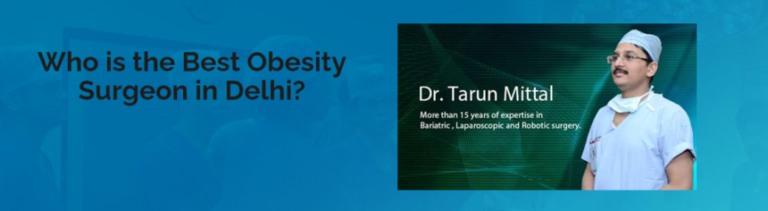
Are your loved ones in search of the Best Hernia Doctor in Delhi? Look no further than Dr. Tarun Mittal, a renowned hernia treatment specialist with a reputation for skill and empathy. Dr. Tarun Mittal is your best hernia doctor in Delhi. And if you are suffering from a hernia, then you are at the best place possible, as here you can find the hernia doctors in Central Delhi. Dr. Tarun Mittal is an honorable doctor and a reputed doctor in the professional world because of his extraordinary skills and care.
Best Hernia Doctor in Delhi: check credentials, experience, reviews, and hospital affiliation for quality care.
Dr. Tarun Mittal is the Best Hernia Doctor in central Delhi, who has specialized in this surgery after acquiring adequate education and expertise. It is also known as keyhole surgery) and has been carrying out his role as a Hernia Specialist for over 30 years with an exceptional track record of successful treatments on thousands of patients with different types of hernias.
Approximately 600,000 hernia repair operations are performed annually in the United States. Many are performed by the conventional “open” method. Some hernia repairs are performed using a small telescope known as a laparoscope. If your laparoscopic surgeon has recommended a laparoscopic repair, this brochure can help you understand what a hernia is and about the treatment.
What is Hernia?
Severe, continuous pain, redness, and tenderness are signs that the hernia may be entrapped or strangulated. These symptoms are cause for concern and immediate contact with your physician or surgeon
The wall of the abdomen has natural areas of potential weakness. Hernias can develop in these or other areas due to heavy strain on the abdominal wall, aging, injury, an old incision, or a weakness present from birth. Anyone can develop a hernia at any age. Most hernias in children are congenital. In adults, a natural weakness or strain from heavy lifting, persistent coughing, difficulty with bowel movements, or urination can cause the abdominal wall to weaken or separate.
Laparoscopic Hernia Repair is a technique to fix tears in the abdominal wall (muscle) using small incisions, telescopes, and a patch (mesh). It may offer a quicker return to work and normal activities with decreased pain for some patients.
There are few options available for a patient who has a hernia.
Other cannulas are inserted which allow your surgeon to work “inside.” Three or four-quarter-inch incisions are usually necessary. The hernia is repaired from behind the abdominal wall. A small piece of surgical mesh is placed over the hernia defect and held in place with small surgical staples. This operation is usually performed with general anesthesia or occasionally using regional or spinal anesthesia.
Also Read:- Best Laparoscopic Surgery in Delhi
If you are looking for the best hernia doctor in central Delhi, then call Dr. Tarun Mittal right away. By choosing a doctor as committed as Dr. Tarun Mittal, who is an expert in the most advanced techniques with a patient-centered focus for hernia treatment, you can’t go wrong. Let pain dictate their lifestyle with a hernia. Book an appointment with Dr. Tarun Mittal’s clinic and call us today for a hernia-free lifetime.
Location: Sir Ganga Ram Hospital, Old Rajendra Nagar, New Delhi-110060
Contact: +91 9654059830
Book an appointment with Dr. Tarun Mittal
1. Question: What is a hernia?
Answer: A hernia occurs when an organ or tissue protrudes through a weak spot in the surrounding muscle or connective tissue.
2. Question: What are the common types of hernias?
Answer: The common types of hernias include inguinal hernias (in the groin), umbilical hernias (around the belly button), femoral hernias (in the upper thigh), and hiatal hernias (in the upper stomach).
3. Question: What causes hernias?
Answer: Hernias are typically caused by a combination of muscle weakness and strain, which can occur due to factors such as heavy lifting, persistent coughing, obesity, pregnancy, or straining during bowel movements.
4. Question: What are the symptoms of a hernia?
Answer: Symptoms of a hernia may include a visible bulge or lump, discomfort or pain, especially when lifting heavy objects or bending over, a feeling of heaviness in the abdomen, and in some cases, nausea or vomiting.
5. Question: How are hernias diagnosed?
Answer: Hernias are usually diagnosed through a physical examination by a healthcare provider. In some cases, imaging tests such as ultrasound, MRI, or CT scans may be recommended to confirm the diagnosis or evaluate the extent of the hernia.
6. Question: Can hernias go away on their own?
Answer: Hernias do not typically resolve on their own and often require surgical intervention to repair the weakened muscle or tissue and prevent complications such as incarceration or strangulation.
7. Question: What are the treatment options for hernias?
Answer: Treatment options for hernias may include watchful waiting, lifestyle modifications, such as avoiding heavy lifting or straining, and surgical repair, which may be performed using open surgery or minimally invasive techniques such as laparoscopy.
8. Question: Is hernia surgery necessary?
Answer: In many cases, hernia surgery is recommended to prevent complications and relieve symptoms. However, the decision to undergo surgery depends on factors such as the type and size of the hernia, the severity of symptoms, and the individual’s overall health.
9. Question: What is the recovery time after hernia surgery?
Answer: The recovery time after hernia surgery varies depending on the type of procedure performed and individual factors such as age and overall health. In general, most patients can resume normal activities within a few weeks after surgery.
10. Question: Are there any risks or complications associated with hernia surgery?
Answer: While hernia surgery is generally safe, it carries some risks, including infection, bleeding, pain, and recurrence of the hernia. Your healthcare provider will discuss these risks with you and provide guidance on how to minimize them.